An example that shows the tension does not concern only one category of products. When part of the supply dries up, the whole range of support offered can be affected.
At the Resto du Cœur in Quiévrain, the loss of a partnership had a particularly significant impact: the budget for purchasing meat and other protein sources rose from around €1,000 to more than €4,000 in a single year.
At the Resto du Cœur in Charleroi, the loss of a supply source accounting for around a tonne of meat has also made purchases more frequent when donations are insufficient. Beef and halal meat remain particularly difficult to obtain.
At the Resto du Cœur in Mons, around €400 is spent each month on meat or poultry, supplemented by purchases of eggs, tuna or other alternatives. But every euro spent to make up the protein shortfall can no longer be used for other equally necessary products, such as fresh fruit, dairy items or hygiene products.
Shortages therefore do not always mean a plate without protein. They also mean more purchases as well as more trade‑offs within already constrained budgets.
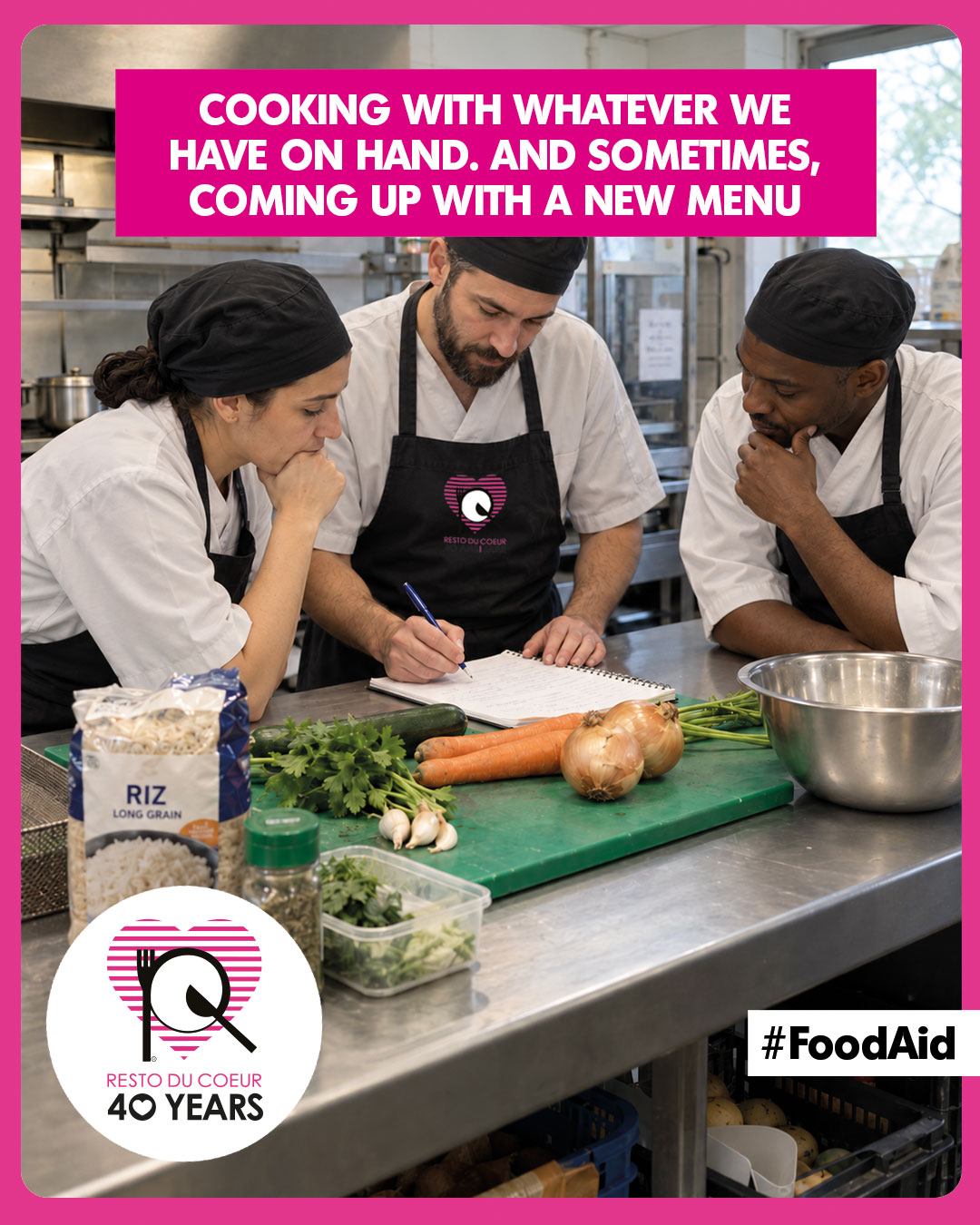
The uncertainty of deliveries also complicates planning for the kitchen teams also.
At the Resto du Cœur in Charleroi, head chefs Aurore and Annabel put it simply: “We don’t always know in advance which foodstuffs we’re going to receive.”
Menus must therefore be built around the products available, and sometimes revised when a donation arrives with a short use‑by date.
At the Resto du Cœur in Verviers, the team describes a genuine “daily juggling act”: planning, receiving, adapting and sometimes completely changing the planned meal in order to use foodstuffs in time.
When meat is lacking, other options are sought. Fish, eggs, chickpeas, pulses, tofu or vegetarian meals constitute varied protein sources depending on stocks. The Resto du Cœur in Namur, for example, provides at least one vegetarian meal per week.
This diversification also aligns with recommendations from the Superior Health Council, which advises varying protein sources and highlights pulses, fish, eggs and poultry as alternatives.
But once again, this depends on having these products in sufficient quantity.
Faced with these difficulties, the Resto du Cœur of Belgium Federation supports the meat purchase of the Restos du Cœur directly.
In 2025, €67,000 was allocated to this support. This year, the budget had to be increased to €134,000.
It has therefore doubled in a year.
Until 2024, these purchases were still supported by external funding. Now that such funding has disappeared, the Federation has to mobilise greater resources to compensate for part of the shortfall.
The International Chefs’ Day is an opportunity to highlight the work of those who do their best, day in and day out, with the foodstuffs available.
They bring their creativity to bear replace an ingredient, imagine another recipe, make the most of an unexpected delivery or avoid waste.
But creativity cannot conjure up what is missing.
To continue offering meals and parcels as varied as possible to the people who come through the doors of a Resto du Cœur, having a sufficiently regular supply of different protein sources remains essential.