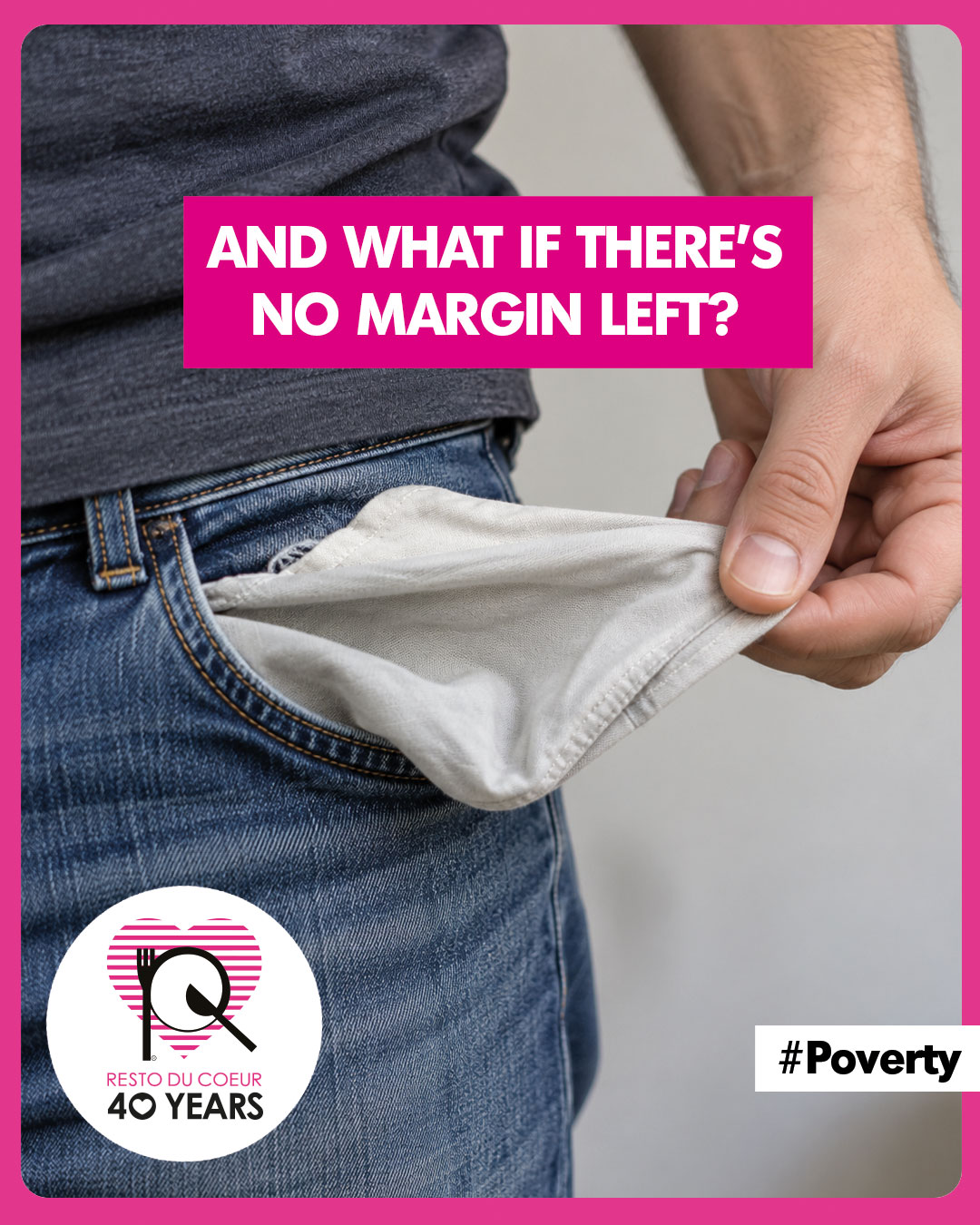
Among the most common difficulties, 22.1 % of the population reported being unable to cope with an unexpected expense of around €1,450.
Behind these figures lie very concrete choices.
Postponing a medical appointment. Waiting before replacing a faulty appliance. Cutting back on children’s activities. Delaying payment of a bill. Reducing food expenditure to preserve the money needed for rent or energy.
The Federation of Social Services (FdSS) recently reached a similar conclusion based on calls received by its Brussels service "Hello? Social Assistance". The debt situations encountered very often concern basic everyday expenses: energy and water bills, hospital costs, transport, or school‑related expenses.
Precarity therefore does not affect only what might be considered “non‑essential”. It reaches the very basics.
To these existing difficulties are added the consequences of ongoing social changes.
Since the beginning of the year, the first people reaching the end of their entitlement to unemployment benefits have been turning to the CPAS. Official data show that a significant proportion of them continue to need financial support after leaving unemployment.
This summer, the Federal Public Service for Social Security noted that the number of recipients of the integration income had reached a historically high level.
These developments do not mean that all those concerned will turn to food aid. But they do show how thin the line can be between financial autonomy and precarity when income no longer covers essential expenses.
And when all other budget items seem impossible to reduce, food often becomes one of the last areas where cuts can still be made.
This reality is reflected on the ground.
According to the quantitative study published in 2026 by the FdSS, nearly 561,000 people receive food aid at least once a year in Belgium. This number has doubled in ten years.
Within our own network, around 670,000 meals were distributed in 2019. In 2025, we distributed 1,569,180 meals and food parcels, an increase of 134 % in six years.
This historically high level of demand comes at a time when resources in the food‑aid sector are decreasing. In 2026, the federal budget for purchasing foodstuffs fell from around €27 million to €15 million.
Fewer resources while needs remain massive: this is the tension that the Restos du Cœur and the Food-aid Coordination Platform sought to make visible on 26 September through The Empty Plates Line.
Financial precarity cannot be reduced to a statistic.
It is found in a fridge that is filled less, in a bill that is postponed, in a medical treatment that is foregone, or in the fear of an expense that was not planned.
It affects people with very different backgrounds: single‑parent families, people living alone, pensioners, students, unemployed people, but also women and men who work yet whose income is not always enough to absorb all the everyday costs.
Above all, 17 October reminds us of one thing: we must not become accustomed to this reality.
Because having enough to eat, to be housed, to stay warm and to receive healthcare should never depend on choosing between needs that are all equally essential.
Faced with financial precarity, every gesture can help maintain this chain of solidarity and enable the Restos du Cœur to continue providing support throughout the year.